

The quality of nursing homes can vary considerably based mostly on components corresponding to location, possession, staffing, management, and the precise needs of residents. It's important to know that not all nursing properties are the same, and the standard of care can vary from excellent to poor. Here are some elements that may affect the quality of nursing houses:
Licensing and Accreditation: Nursing properties that are licensed and accredited by relevant authorities and organizations, corresponding to The Joint Commission or CARF, are more likely to meet certain quality standards.
Staffing Levels: Adequate staffing is essential for providing high quality care. A greater staff-to-resident ratio generally leads to better care and more attention to particular person needs.
Staff Training and Qualifications: The qualifications, training, and expertise of the staff, together with nurses, nursing assistants, and therapists, can considerably influence the standard of care.
Cleanliness and Safety: A clear and protected setting is crucial for residents' well-being. Inspect the ability for cleanliness, security measures, and accessibility.
Resident Satisfaction: Feedback from present or former residents and their households can present insight into the nursing house's quality of care. You can even check on-line evaluations and scores.
Specialized Care: If a person requires specialized care, corresponding to dementia care, make certain the nursing residence has expertise and resources to provide that care successfully.
Medical Services: The availability of on-site medical companies and the coordination of medical care with healthcare professionals can impact the quality of medical therapy.
Social Activities and Quality of Life: Nursing homes should offer quite a lot of social and leisure activities to enhance residents' quality of life and psychological well-being.
Nutritional Services: Adequate and nutritious meals are vital for residents' health. Ensure that dietary needs and preferences are accommodated.
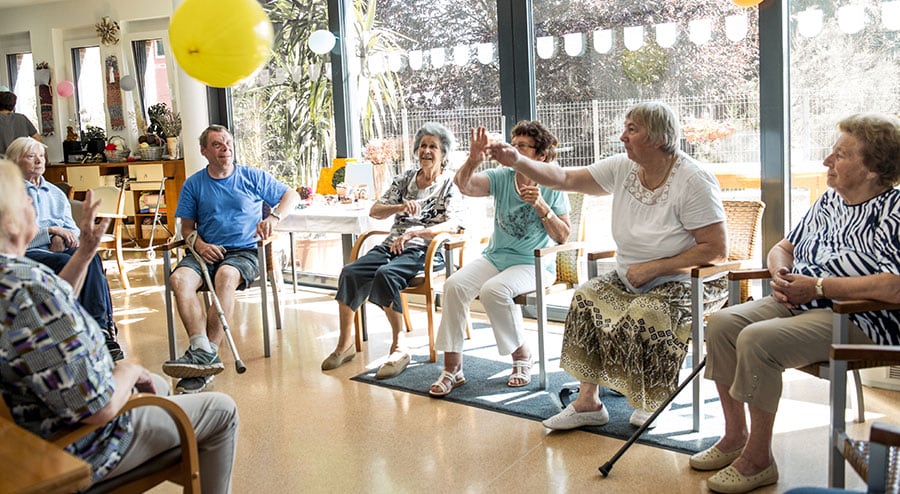
Visit and Observe: Schedule visits to nursing houses you are considering and observe the care supplied, staff-resident interactions, and the general environment.
Regulatory Compliance: Check if the nursing home is compliant with state and federal regulations and has a history of violations or sanctions.
Communication: A well-run nursing home ought to have clear and effective communication channels for residents, families, and employees.
Family Involvement: Consider how involved members of the family can be within the care and decision-making course of. Supportive family involvement is commonly associated with better care outcomes.
It's essential to conduct thorough analysis, ask questions, and collect as much data as possible when evaluating nursing houses. State or local government businesses, in addition to nonprofit organizations, often present assets and stories on the standard of nursing homes in your area. Consulting with healthcare professionals, social workers, or eldercare specialists also can provide valuable guidance in choosing a high-quality nursing residence.
Ultimately, assisted living in rochester ny of a nursing house can range, so taking the time to make an knowledgeable decision is important to ensure that the individual in want of care receives the absolute best care and quality of life..