

An electrician is somebody who focuses on the electrical wiring of buildings, machines and related equipment. Because electrical equipment is highly sensitive and potentially dangerous, electricians are always in dependence on emergencies and to cope with electrical problems. Electricians could work in residential, or private electrician jobs or commercial jobs. Residential jobs may involve work such as for example fitting a house for electrical wiring and investigating and repairing electrical problems in a home. Commercial electrical work may involve fitting buildings for electrical wiring, doing electrical work en masse for corporations and working aboard planes or ships. An electrician can do a variety of electrical jobs, or they could choose to focus on certain areas of electrical management. For example, some electricians work in your community of installing and repairing electrical infrastructures such as for example power lines and generators. Electricians Barrow In Furness Contact may specialize in the electrical wiring of ships, airplanes, automobiles, or the areas. Electricians certainly are a vital component of the present day day workforce as increasingly more businesses, residential homes and way of life become reliant on electricity.
Residential vs. Commercial Electricians
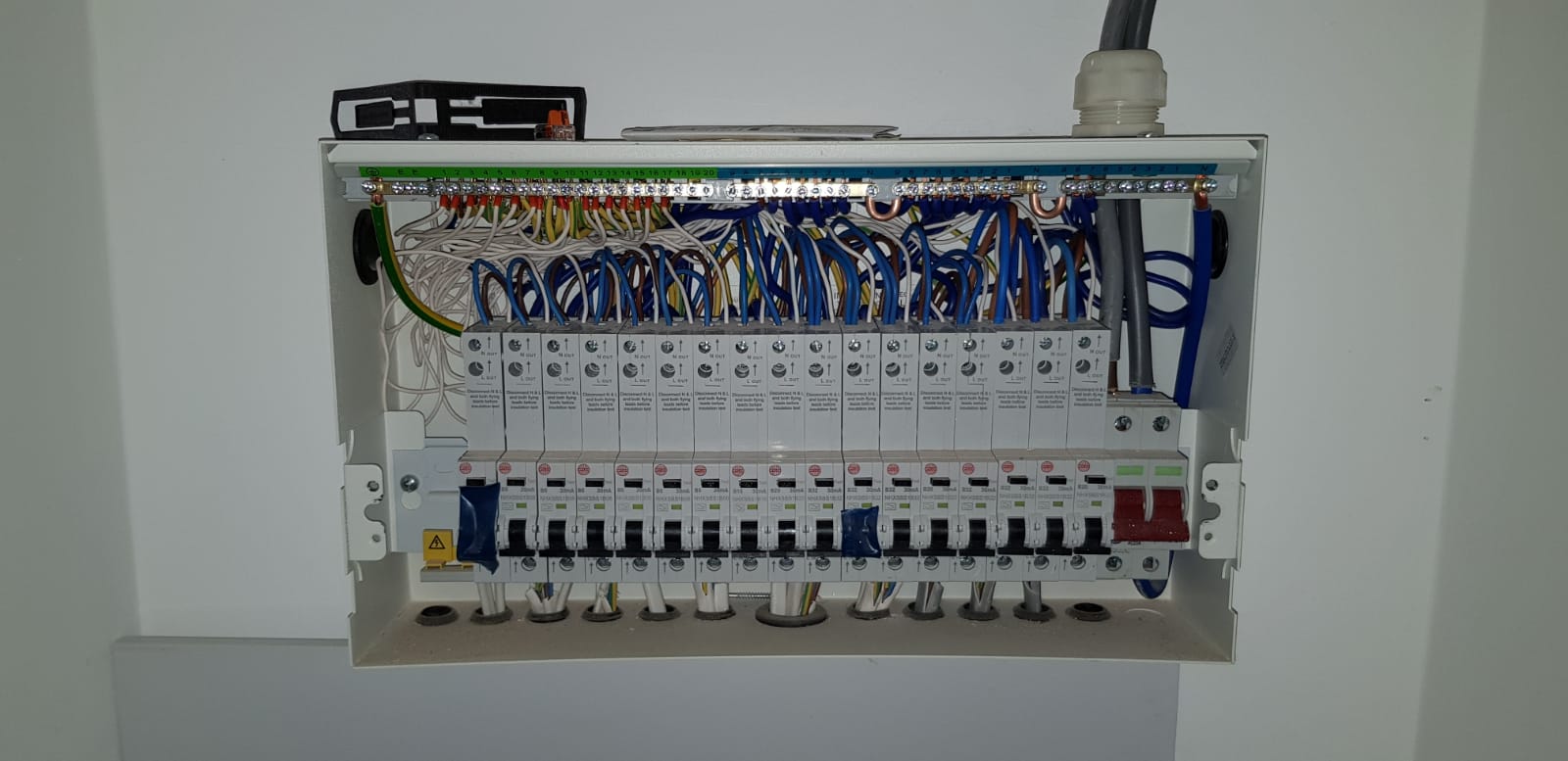
The two most common forms of electricians are residential electricians and commercial electricians. Click for info elect to specialize in one among these areas, although some are trained to cope with various jobs in either commercial or residential areas.
Residential electricians must receive training and a license before they are able to work on residential assignments by themselves. A duties of a residential electrician are varied. Domestic Electricians Dalton may call one for everything from the repair of an outlet in their home to a whole rewiring of their home. The work of residential electricians can be broken down in to the regions of installations, upgrades, and repairs.
Upgrading is also a significant facet of their daily work. Upgrading in a residential setting typically involves changing the electrical infrastructure in the home so that it can accommodate the home owner's needs. This can involve installing new outlets, or wiring high voltage outlets therefore the house owner can relocate large appliances, or running wire behind the walls for the installation of home theater appliances.
The third main aspect of a residential electrician's job is repairs. Some residential electricians work primarily in repairs, although every electrician should have at least the essential knowledge of troubleshooting problems regardless of whether or not they focus on residential electrician repairs. Repairs in a residential setting typically involve malfunctioning outlets, repairing electronic equipment, and possible faulty wiring. Residential electricians should be prepared to respond quickly to lessen the inconvenience of the house owner, in addition to to assess any possible dangerous situation.
Many newly licensed residential electrical experts elect to concentrate on the electrical installation needs of new homes. This calls for installing the wiring, circuits, fuses, outlets and any electrical equipment needed in a residential home. Because installation can be quite a complex process, a residential electrician needs to know how to browse the blueprints of a home as a way to know where to install electrical appliances and work on wiring. There are also federal and state regulations regarding residential electrical work they must follow, although these are usually less strict than those for commercial electrical work.